Blockchain for Enhanced Cybersecurity
As technology advances, so does the complexity and severity of cyber threats. From phishing attacks to sophisticated ransomware schemes,…
Read article →
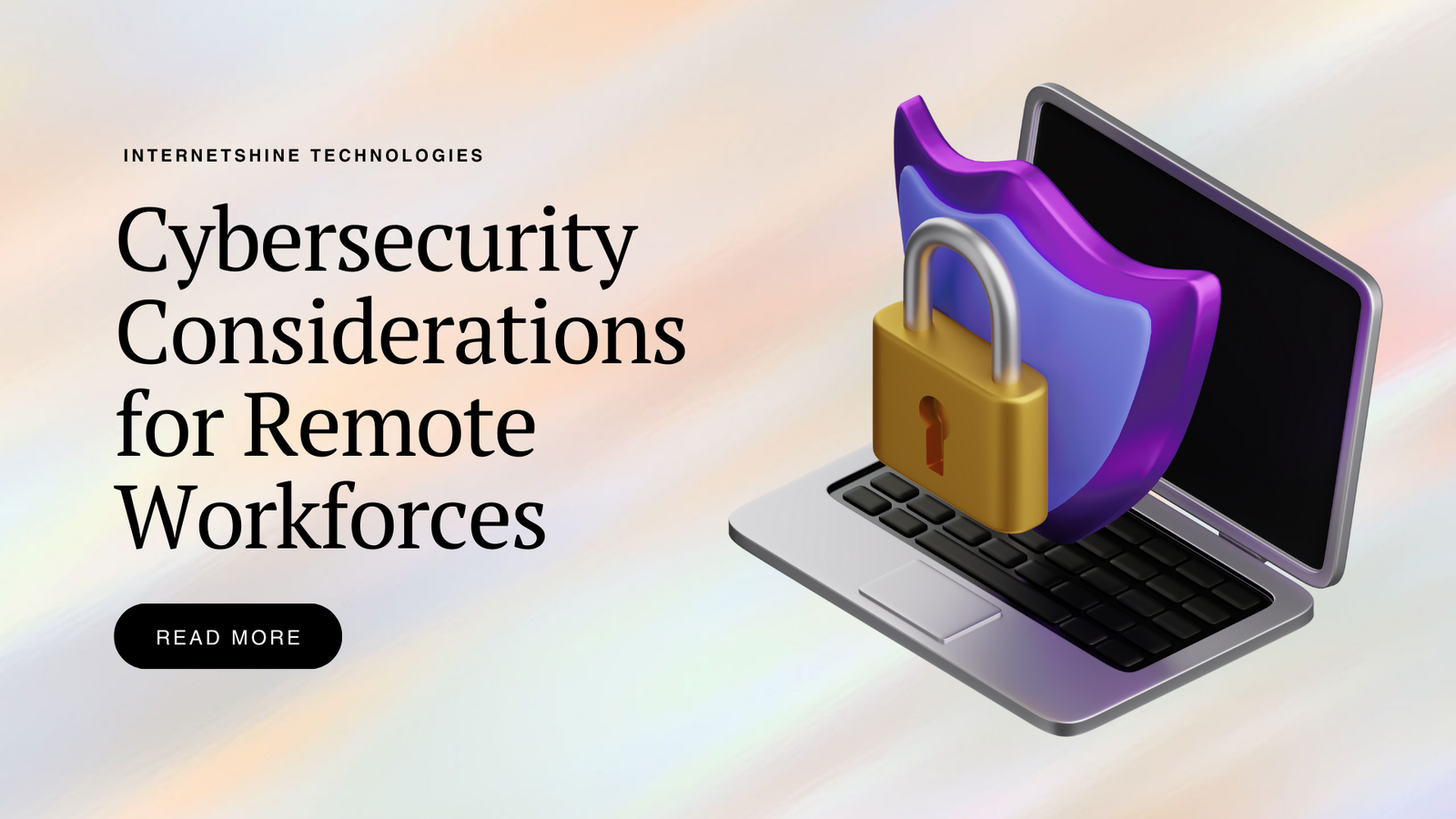
The rapid shift to remote work has transformed the landscape of cybersecurity, presenting unique challenges and necessitating a proactive approach to protect sensitive data and ensure secure operations. Here are key considerations for organizations to safeguard their remote workforces effectively.
Remote work environments often rely on personal devices and unsecured networks, which can lack the robust security measures typically found in corporate settings. Employees may use personal devices that are not equipped with updated antivirus software or secure configurations, heightening the risk of data breaches. Additionally, home networks often do not have the sophisticated security protocols of corporate networks, making them more susceptible to attacks.
Phishing attacks have surged, exploiting the isolation of remote workers. Cybercriminals often use social engineering tactics to trick employees into revealing sensitive information. Reports indicate that phishing is responsible for a significant percentage of data breaches, underscoring the need for heightened awareness and training among employees.
Implementing a Virtual Private Network (VPN) is crucial for ensuring secure access and encrypted data transmission. A VPN masks users’ IP addresses, protecting sensitive information even when employees use public Wi-Fi.
Encouraging the use of strong, unique passwords for each account is essential. Organizations should consider implementing password managers to help employees maintain secure passwords without the need to remember them all. Regular password changes should also be enforced to enhance security.
Utilizing MFA adds an additional layer of security, making it significantly harder for attackers to gain unauthorized access to accounts, even if they manage to steal passwords.
Ensuring that all devices used for work are regularly updated with the latest security patches is vital. This helps protect against vulnerabilities that could be exploited by cybercriminals.
Ongoing training is essential to keep employees informed about the latest threats and best practices. Regular workshops and simulated phishing exercises can enhance awareness and prepare employees to recognize and respond to potential threats effectively.
Organizations should create and enforce comprehensive cybersecurity policies that outline acceptable use of devices, data handling procedures, and incident response plans. These policies should be easily accessible and regularly updated to reflect new threats and technologies.
Maintaining an inventory of all devices used within the organization helps monitor and secure endpoints. Endpoint security measures should be implemented to detect and mitigate threats at the source.
As remote work continues to evolve, organizations must anticipate and prepare for increasingly sophisticated cyber threats. The adoption of a zero-trust security model, which verifies every access request regardless of its origin, will become more prevalent. Additionally, leveraging artificial intelligence and machine learning will be critical in detecting and responding to cyber threats in real-time.
The transition to remote work presents both opportunities and challenges for cybersecurity. By implementing robust security measures, fostering a culture of awareness, and investing in ongoing training, organizations can protect their digital assets and ensure the resilience of their remote workforces against evolving cyber threats.
Keep reading
 Cyber Security
As technology advances, so does the complexity and severity of cyber threats. From phishing attacks to sophisticated ransomware schemes,…
Read article → AI
AILearning a programming language can be an exciting yet daunting task, especially with the multitude of languages available today.…
Read article → Mobile App
In today's digital landscape, mobile applications are integral to our daily lives, facilitating everything from communication to banking.…
Read article →Our team sets up and supports IT, networks, security, AI and software for growing businesses.