The Future of Web Development: Trends to Watch in 2024 and Beyond
The world of web development is rapidly evolving, with new technologies and best practices emerging at an unprecedented pace. As we look…
Read article →
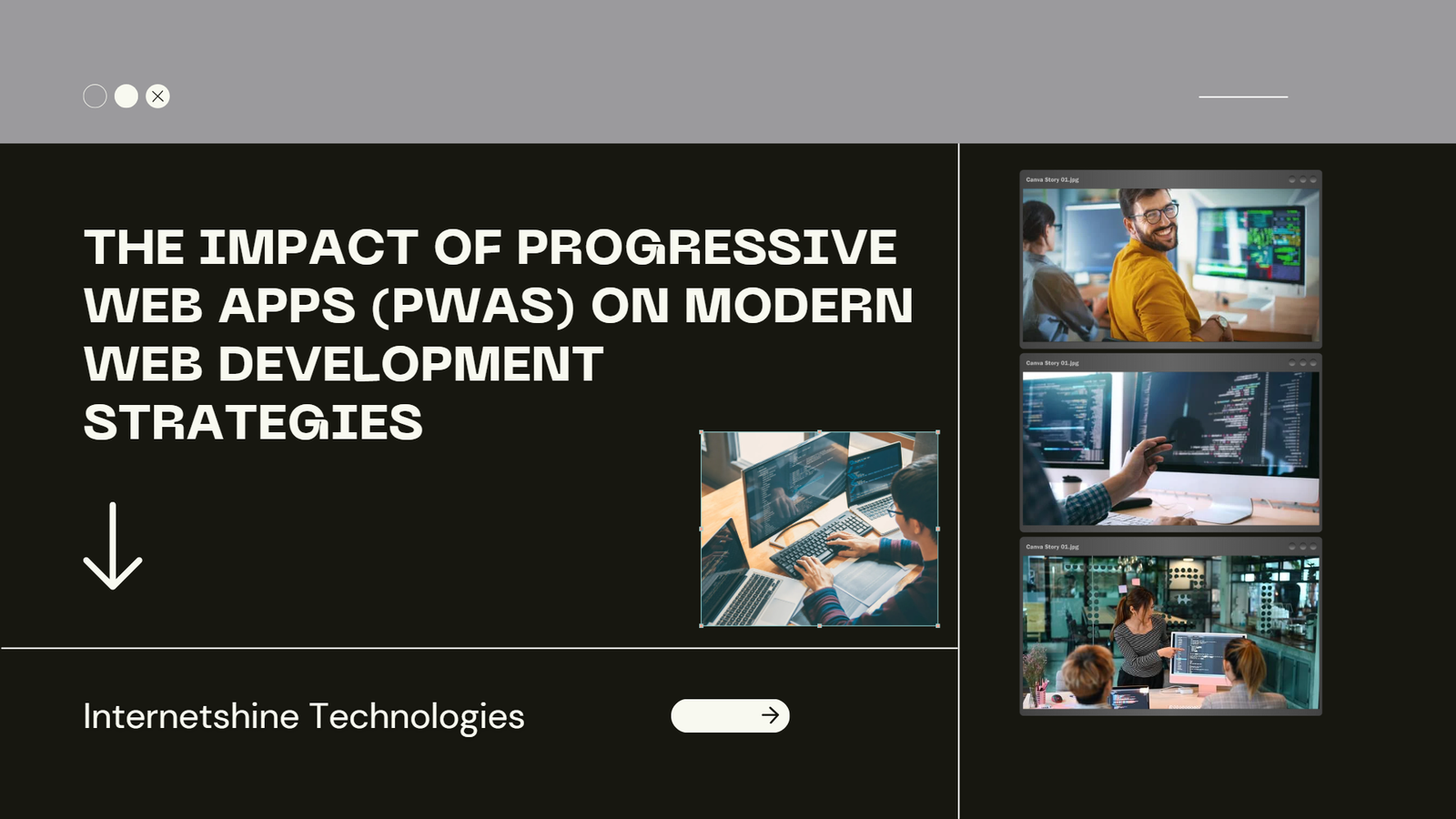
In recent years, Progressive Web Apps (PWAs) have emerged as a transformative force in the realm of web development. Blurring the lines between traditional web pages and native mobile applications, PWAs offer a compelling mix of performance, user experience, and accessibility. As businesses and developers seek innovative ways to engage users, PWAs have become a critical component of modern web development strategies. This blog explores the impact of PWAs on the current web development landscape and why they are increasingly favored by businesses across industries.
Progressive Web Apps are web applications that utilize modern web technologies to deliver an app-like experience to users. Unlike traditional web apps, PWAs are designed to be reliable, fast, and engaging. They can be installed on a user’s home screen, work offline, and offer push notifications—features traditionally associated with native mobile apps.
The digital landscape is increasingly mobile-centric, with users expecting seamless, fast, and responsive experiences across devices. Traditional websites often fall short in meeting these expectations, particularly in terms of speed and offline capabilities. PWAs address these gaps by combining the best of web and mobile app experiences, resulting in:
One of the significant advantages of PWAs over native apps is their impact on search engine optimization (SEO). Since PWAs are essentially websites, they are indexed by search engines, unlike native apps, which are often hidden behind app stores. This provides businesses with the opportunity to improve their online visibility and reach a broader audience through organic search traffic.
Furthermore, the speed and performance of PWAs positively influence key SEO metrics such as bounce rate and dwell time. A faster, more engaging web experience encourages users to stay longer and interact more with content, signaling to search engines that the site is valuable and relevant.
From a business perspective, PWAs offer a cost-effective alternative to developing and maintaining multiple native apps. Traditional app development requires separate codebases for different operating systems, which can be resource-intensive. PWAs, however, operate on a single codebase that works across all devices, reducing both development and maintenance costs.
Additionally, the deployment process for PWAs is simplified. There is no need to go through app store approvals, which can be time-consuming and restrictive. Updates to PWAs are immediate, ensuring that users always have access to the latest version without requiring manual downloads or installations.
As more businesses recognize the value of delivering superior web experiences, PWAs are set to play a pivotal role in the future of web development. Major companies like Twitter, Starbucks, and Pinterest have already adopted PWAs, reporting significant improvements in performance and user engagement.
For developers, embracing PWAs means staying ahead of the curve and meeting the evolving demands of users. By integrating PWAs into their development strategies, businesses can ensure they are providing fast, reliable, and engaging web experiences that keep users coming back.
Progressive Web Apps represent a significant shift in how modern web development strategies are conceived and executed. By offering the benefits of both web and mobile app experiences, PWAs are empowering businesses to reach and engage users in new and innovative ways. As the digital landscape continues to evolve, PWAs will undoubtedly remain a cornerstone of effective web development, driving the next generation of online experiences.
Keep reading
 Web
WebThe world of web development is rapidly evolving, with new technologies and best practices emerging at an unprecedented pace. As we look…
Read article → Web
WebWeb development frameworks are essential tools for developers, enabling the efficient creation of web applications by providing…
Read article → Programming Languages
In today’s digital age, the front-end of a website serves as the first point of interaction between users and a brand. The choice of…
Read article →Our team sets up and supports IT, networks, security, AI and software for growing businesses.